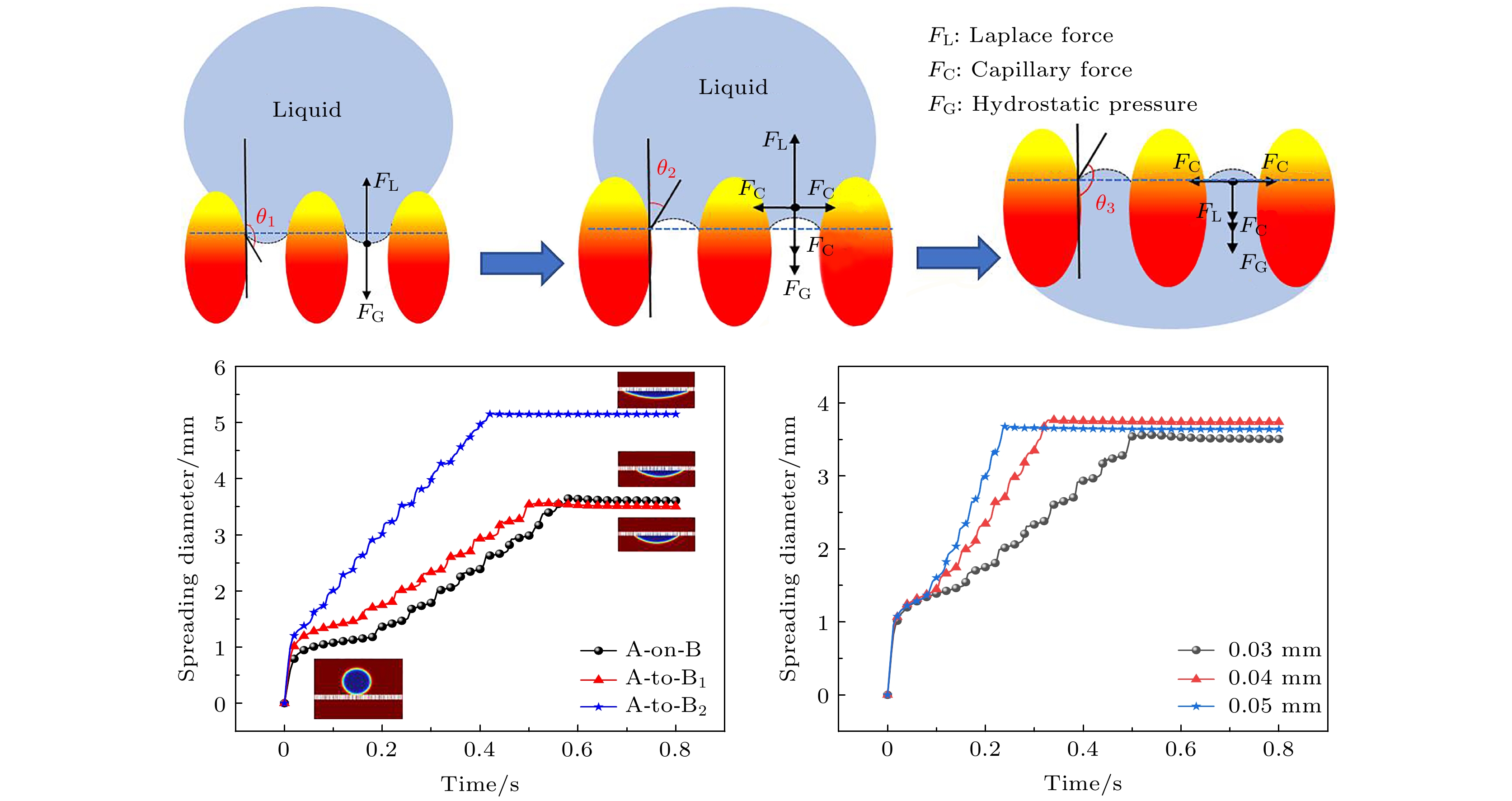
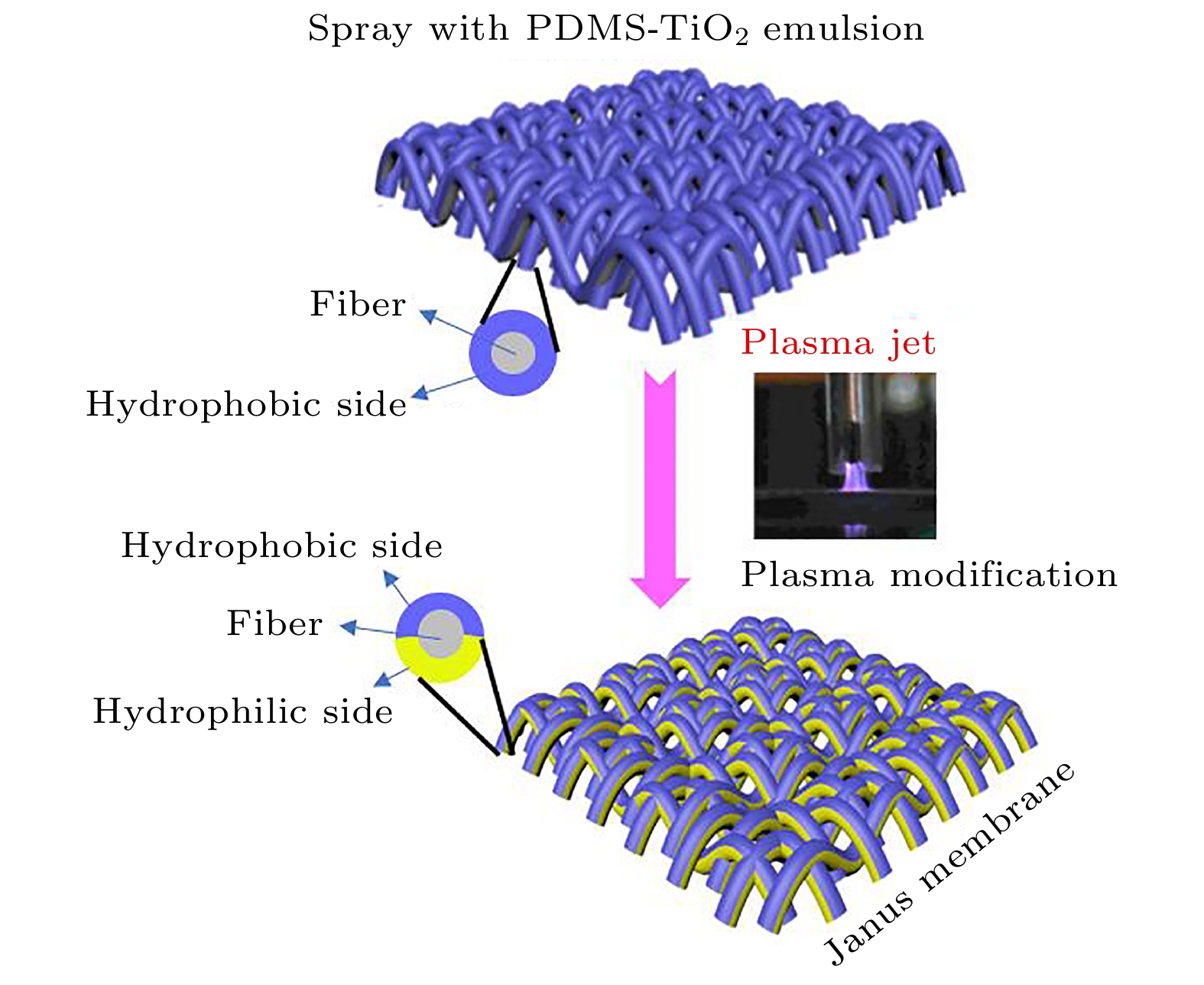
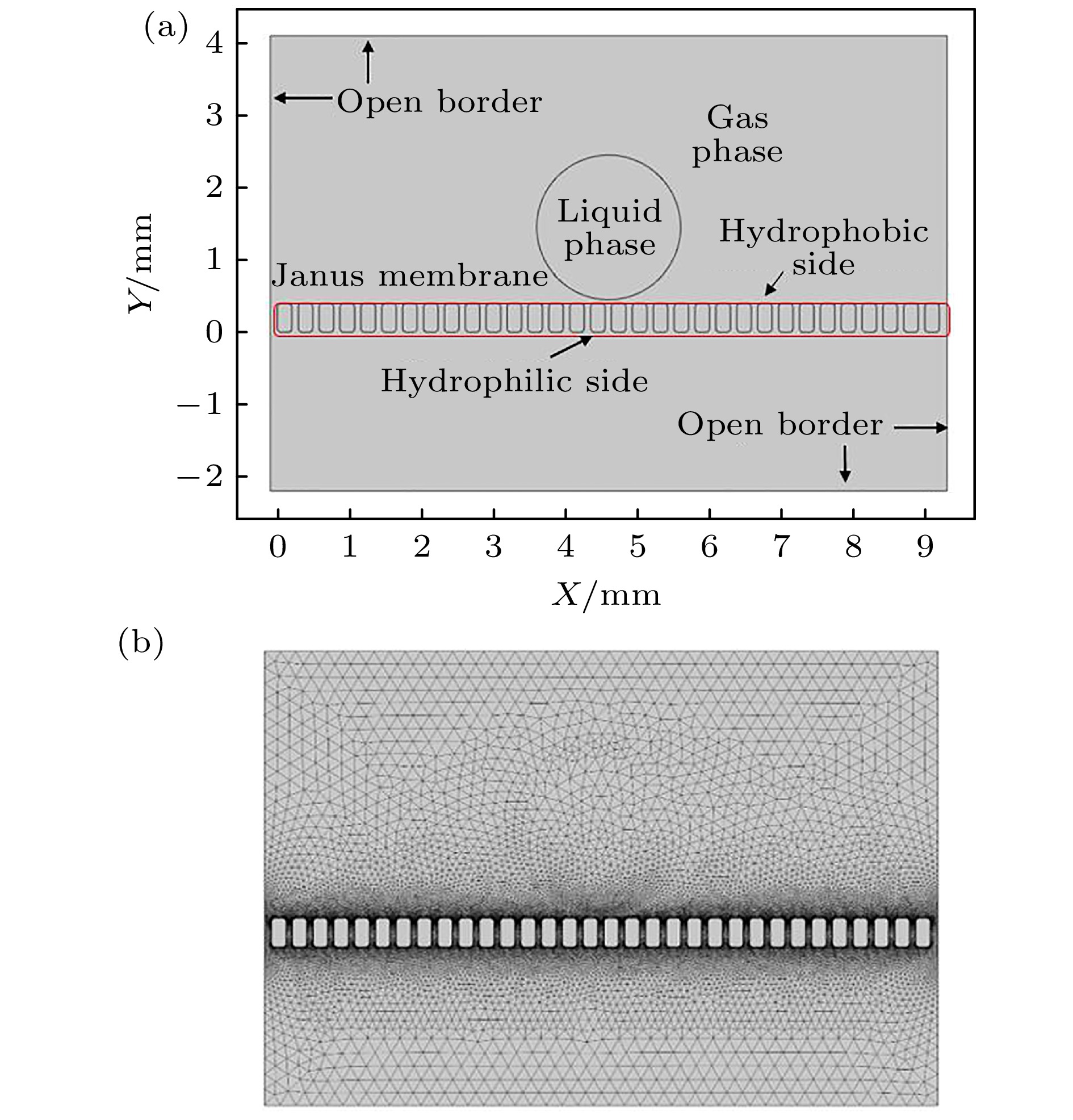
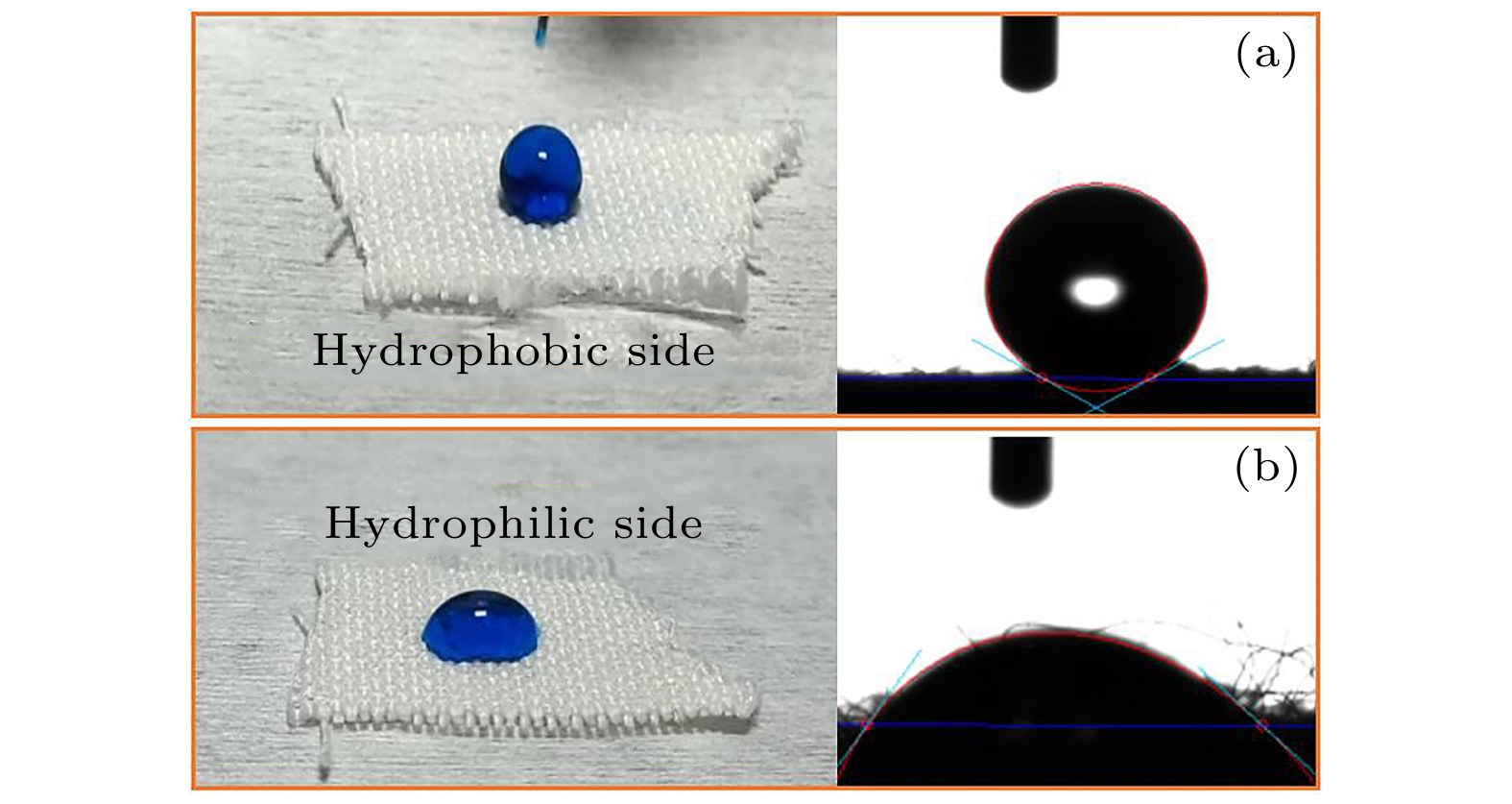
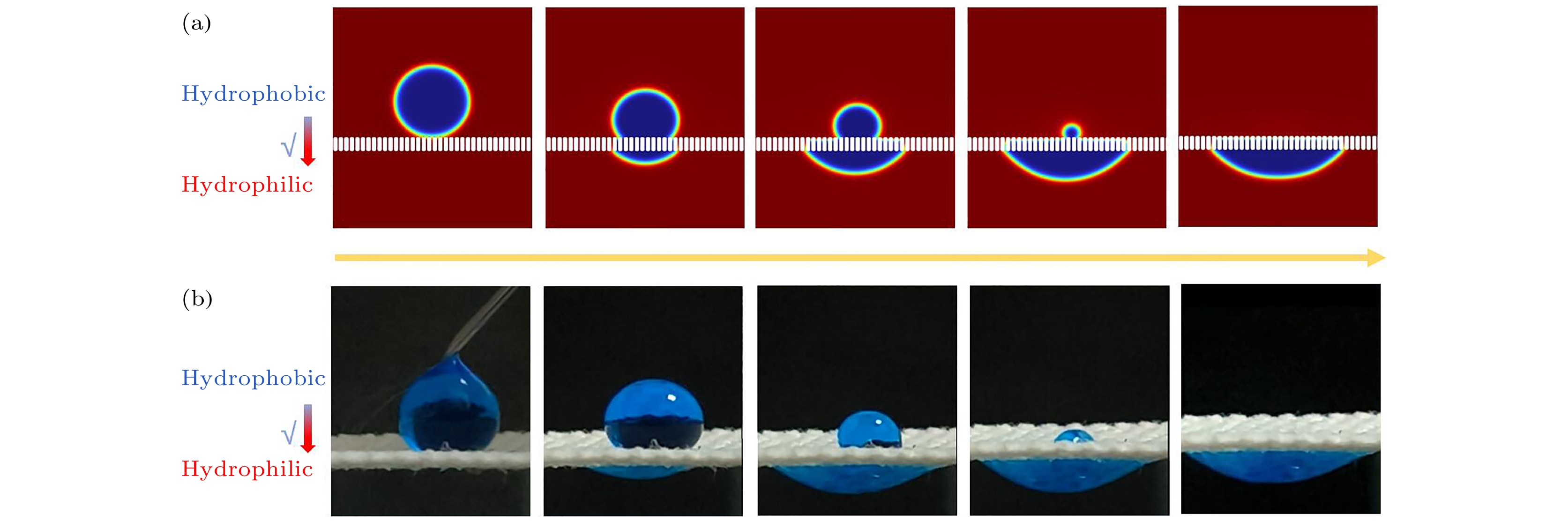
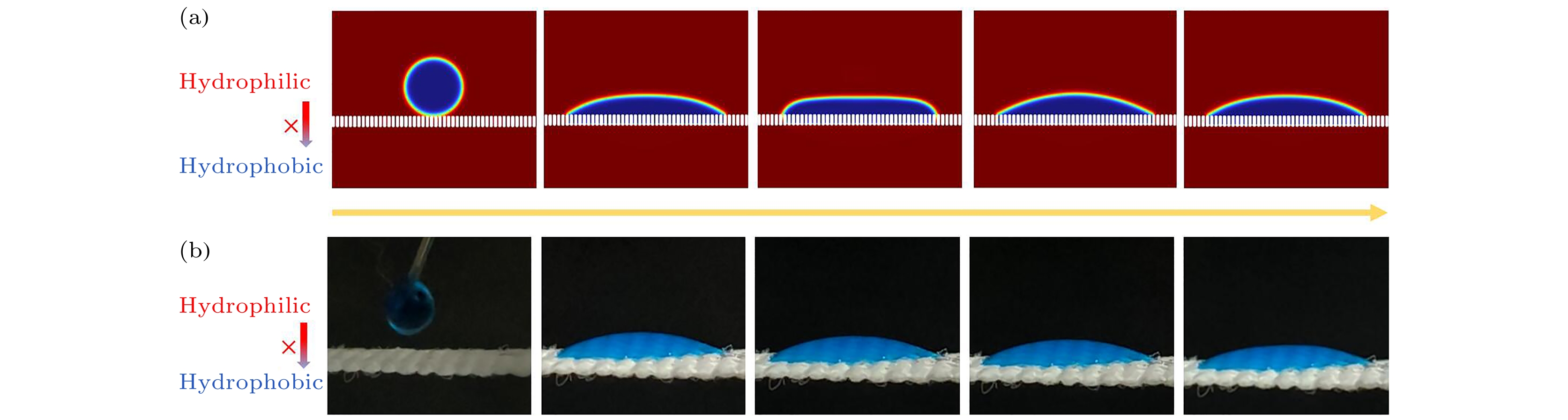
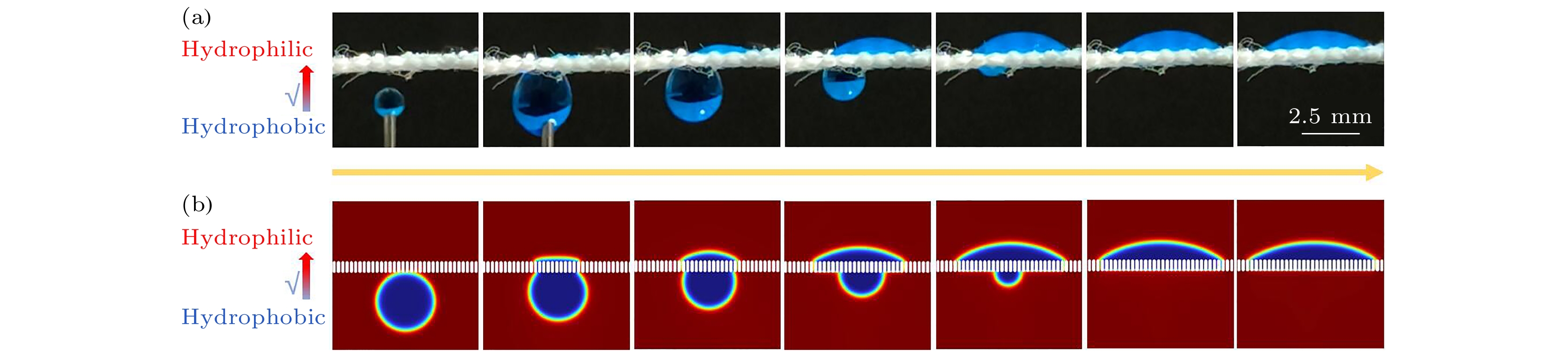
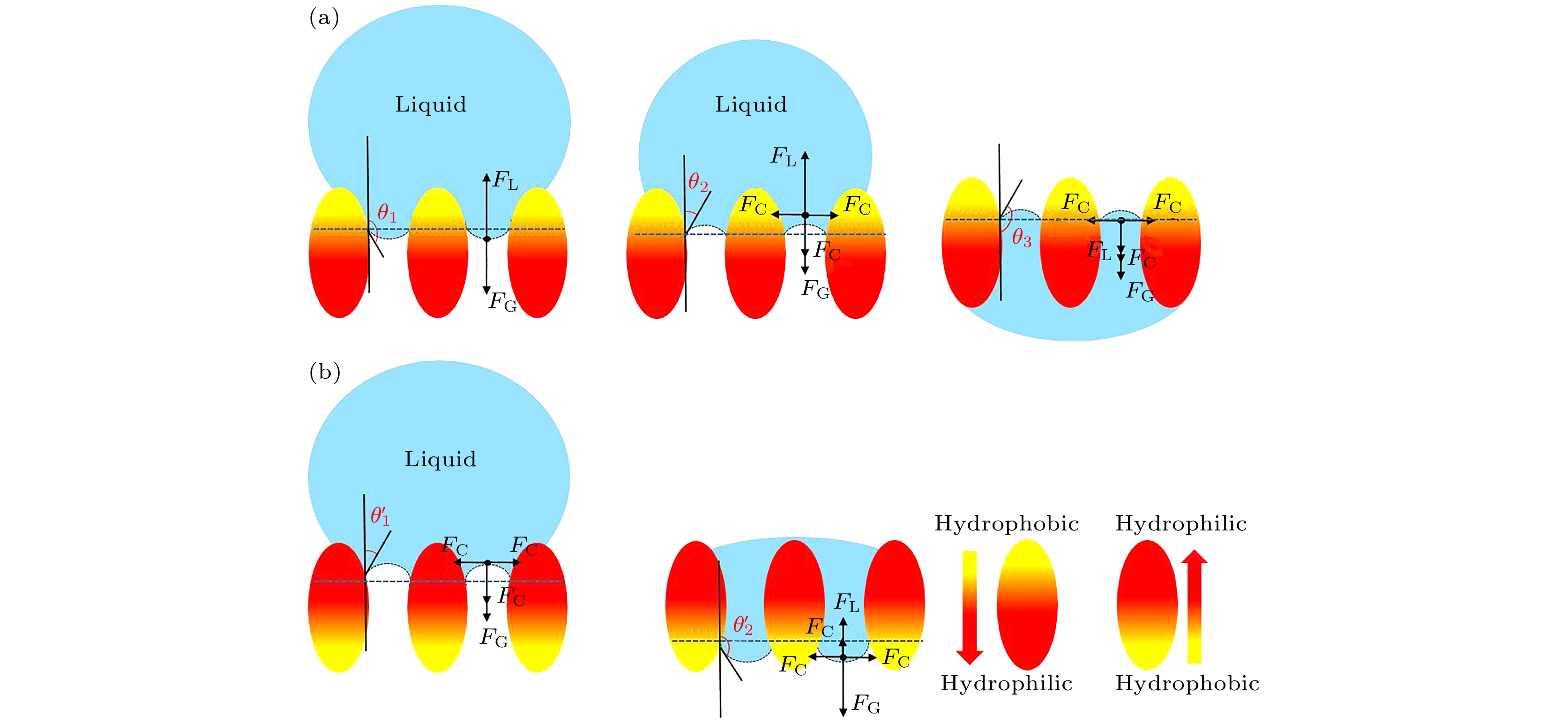
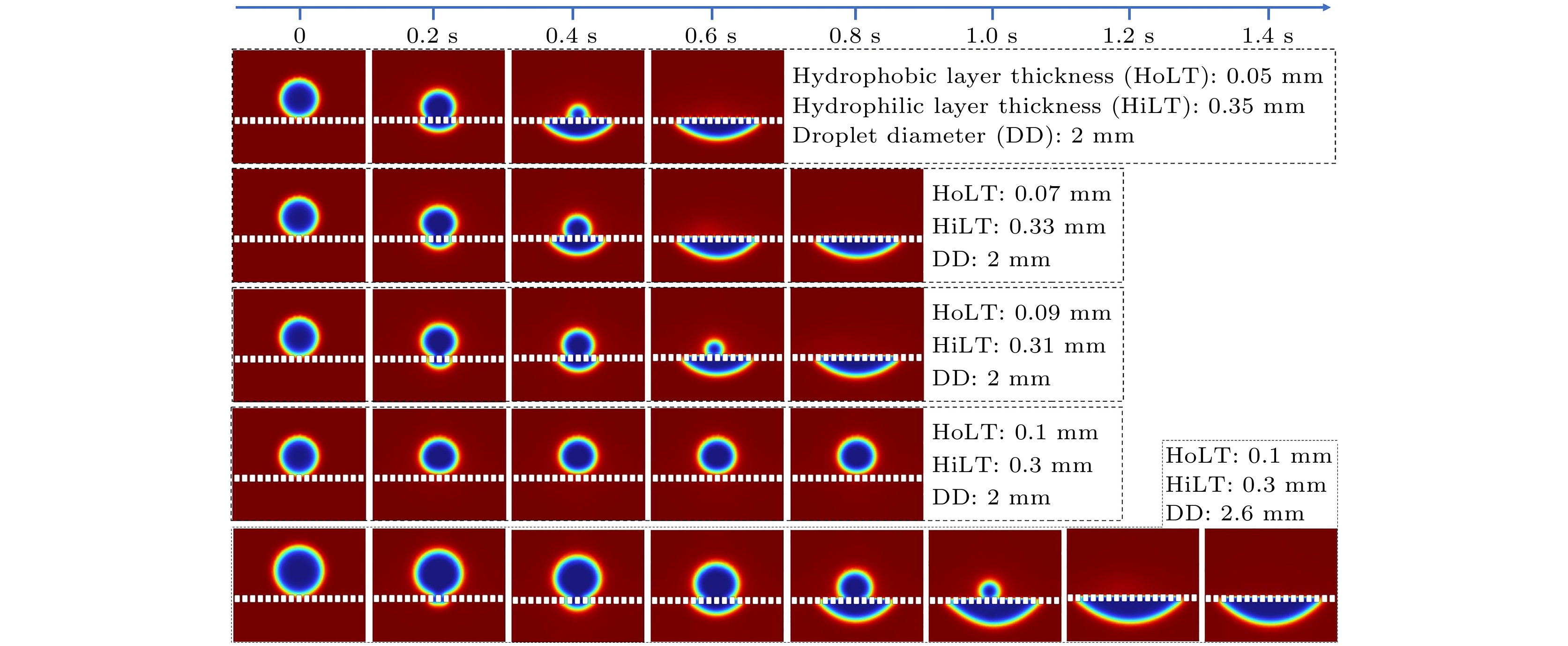
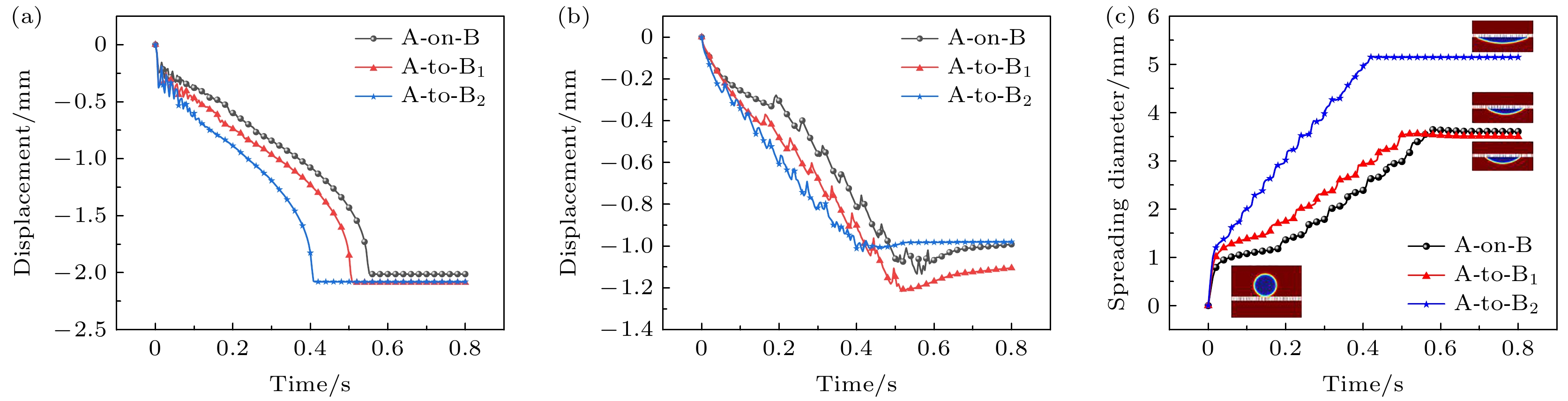
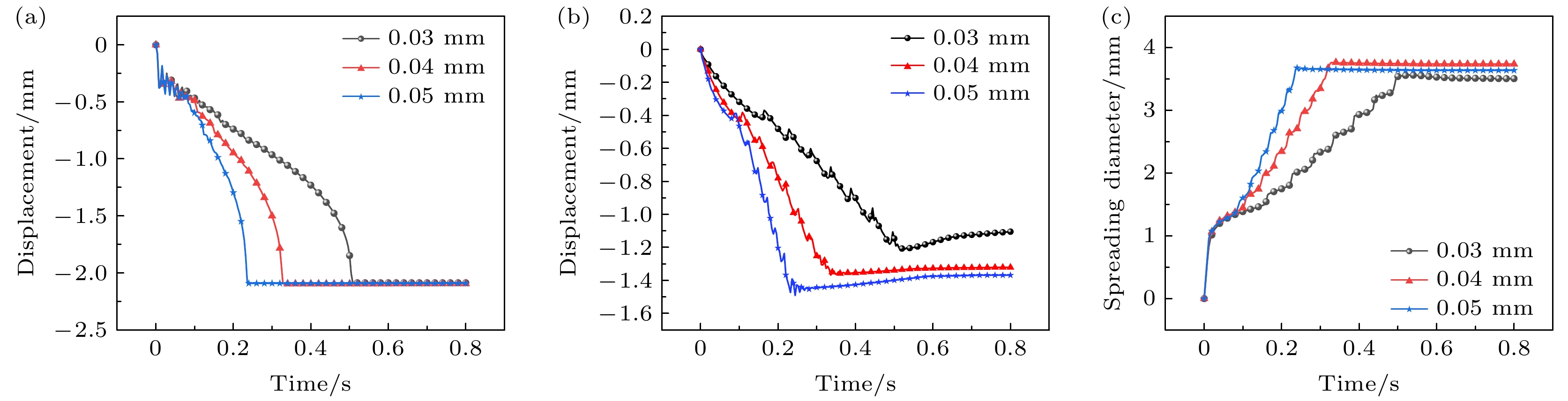
The asymmetric wetting Janus fiber membrane exhibits many unique properties when interacting with liquids due to its significant difference in wetting properties on both sides. Therefore, it has broad application prospects in fields such as microfluidics and biomedicine. The directional transport of droplets is one of the key functions of Janus fiber membranes, and its transport mechanism and regulation rules are crucial for practical applications. However, there is currently insufficient research on how wettability gradient and pore structure regulate the directional transport behavior of droplets. In this study, a two-phase flow phase-field model is established, and the reliability of the model is validated through droplet transport experiments conducted on plasma-assisted fabricated Janus fiber membranes. Building on this foundation, the directional transport behavior of droplets within the membrane is systematically investigated. The results show that the spontaneous transport of droplets from hydrophobic side to hydrophilic side is driven by a synergistic effect of surface free energy gradient, Laplace pressure difference, and capillary force. It is found that hydrophobic layer thickness, hydrophilic layer thickness, wettability gradient, and pore structure are key factors in regulating transport efficiency. Compared with traditional structures, Janus fiber membranes with wettability gradients can significantly improve the directional transport speed of droplets, and the wettability of the hydrophilic side shows a significant positive correlation with transport velocity. Although increasing pores can accelerate droplet transport, it simultaneously reduces the steady-state spreading area on the hydrophilic side. This study provides an important theoretical basis for optimizing the Janus fiber membrane structure and achieving efficient and precise fabrication of droplets.





 DownLoad: CSV

 DownLoad:
