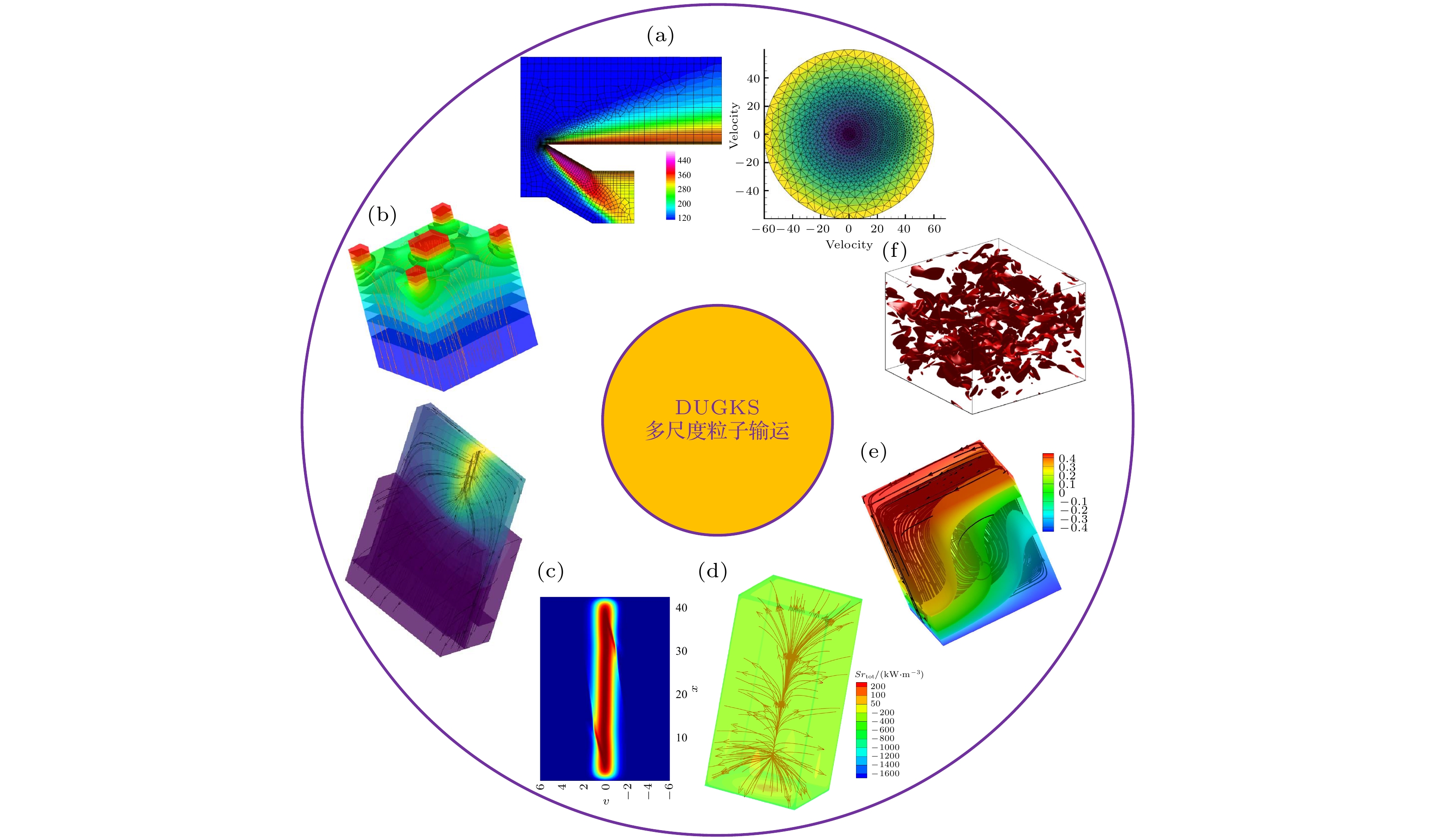
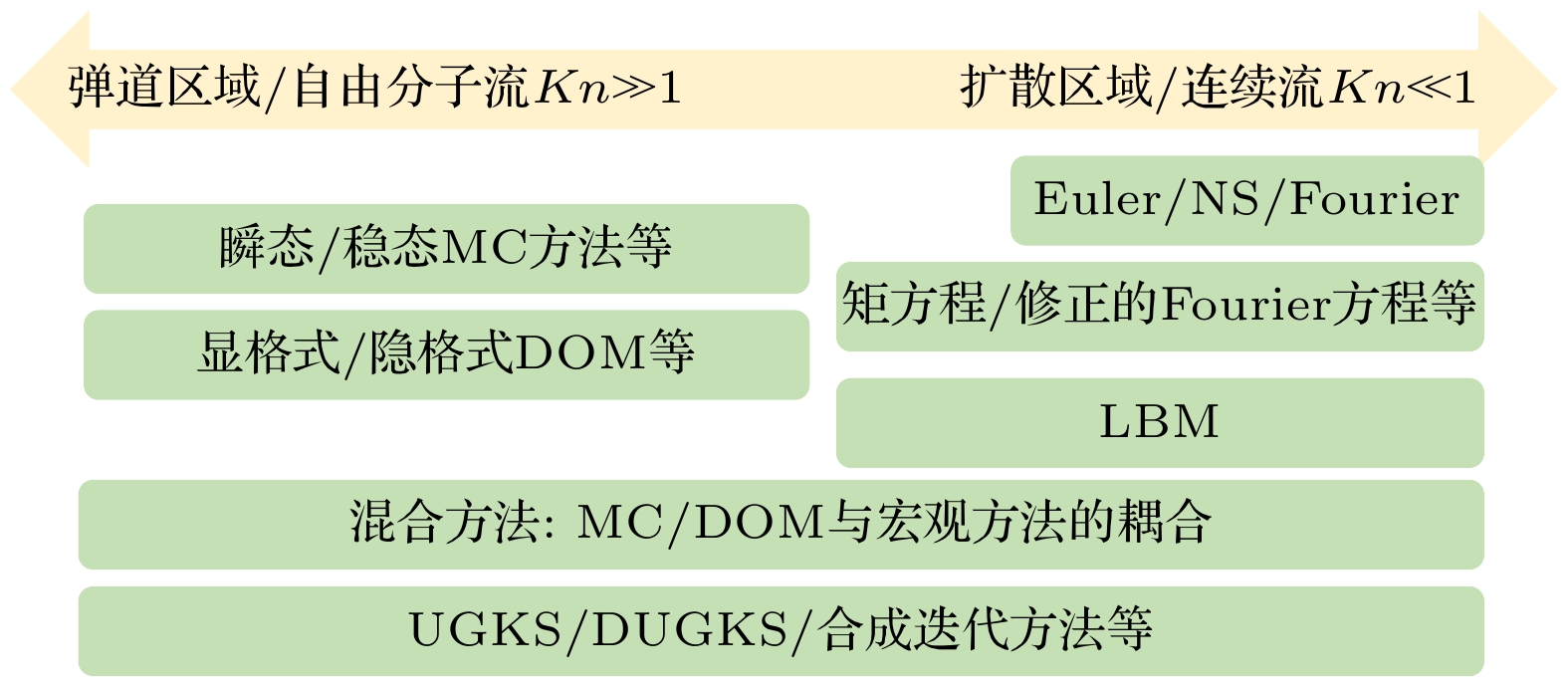
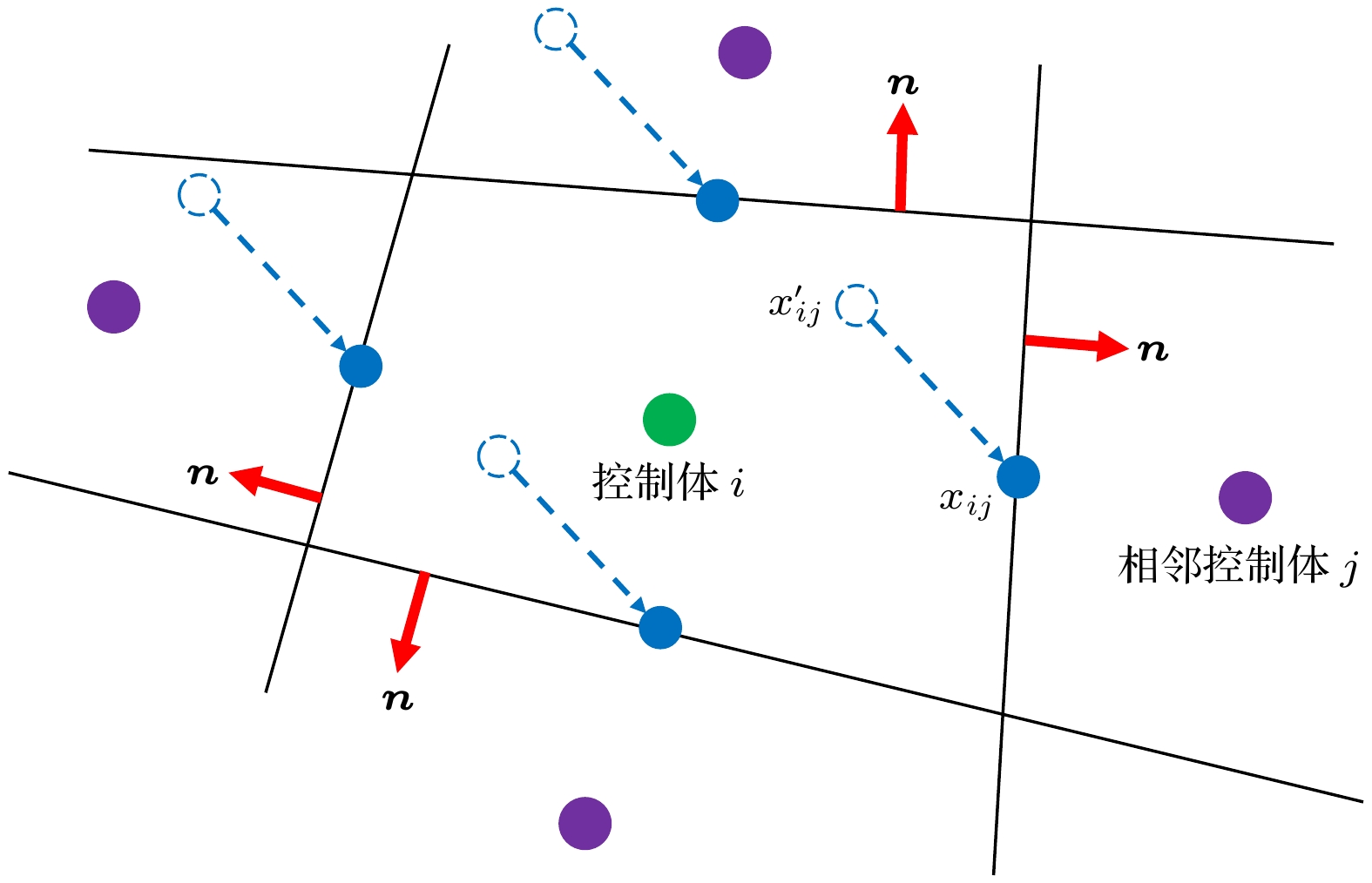
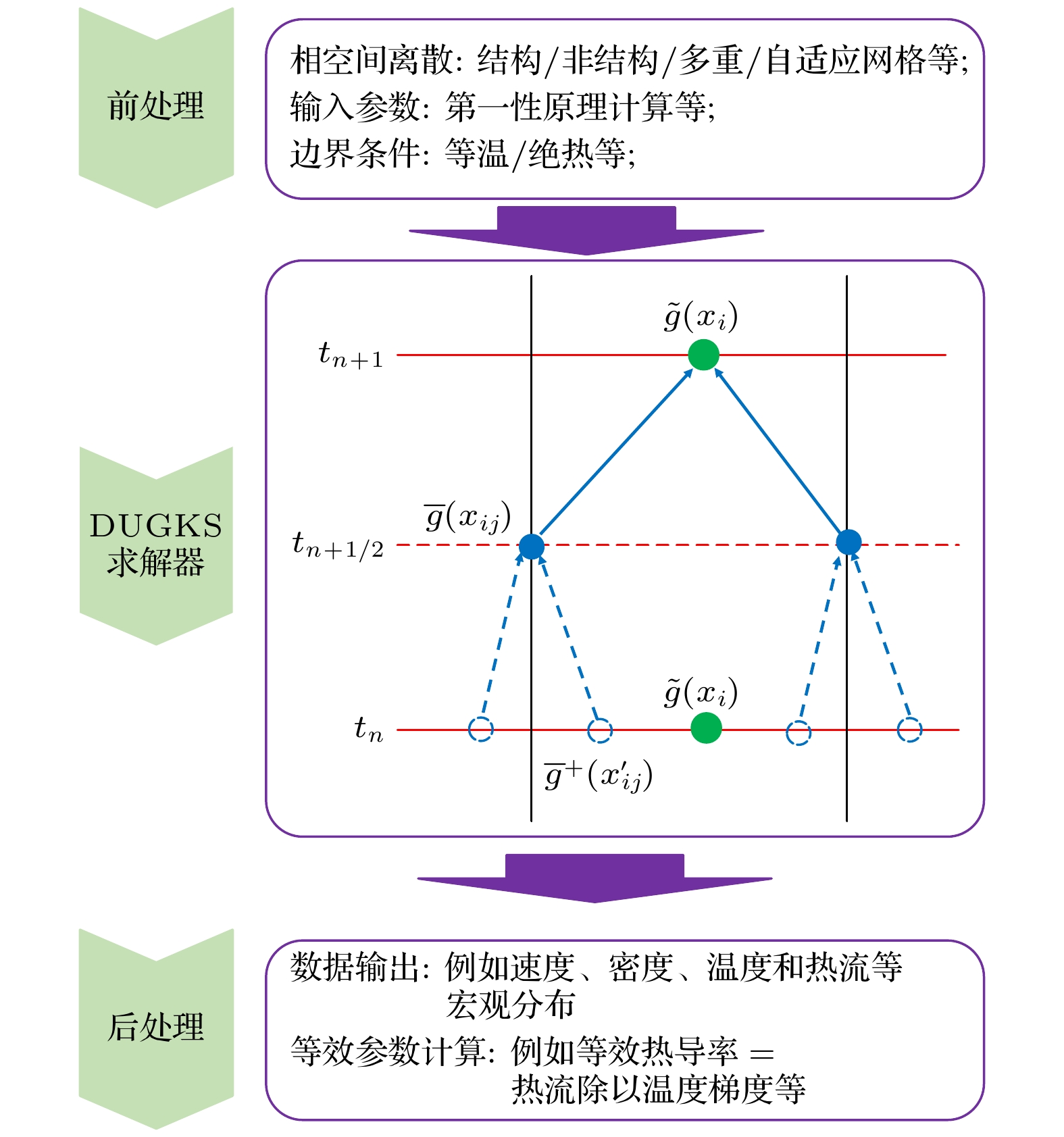
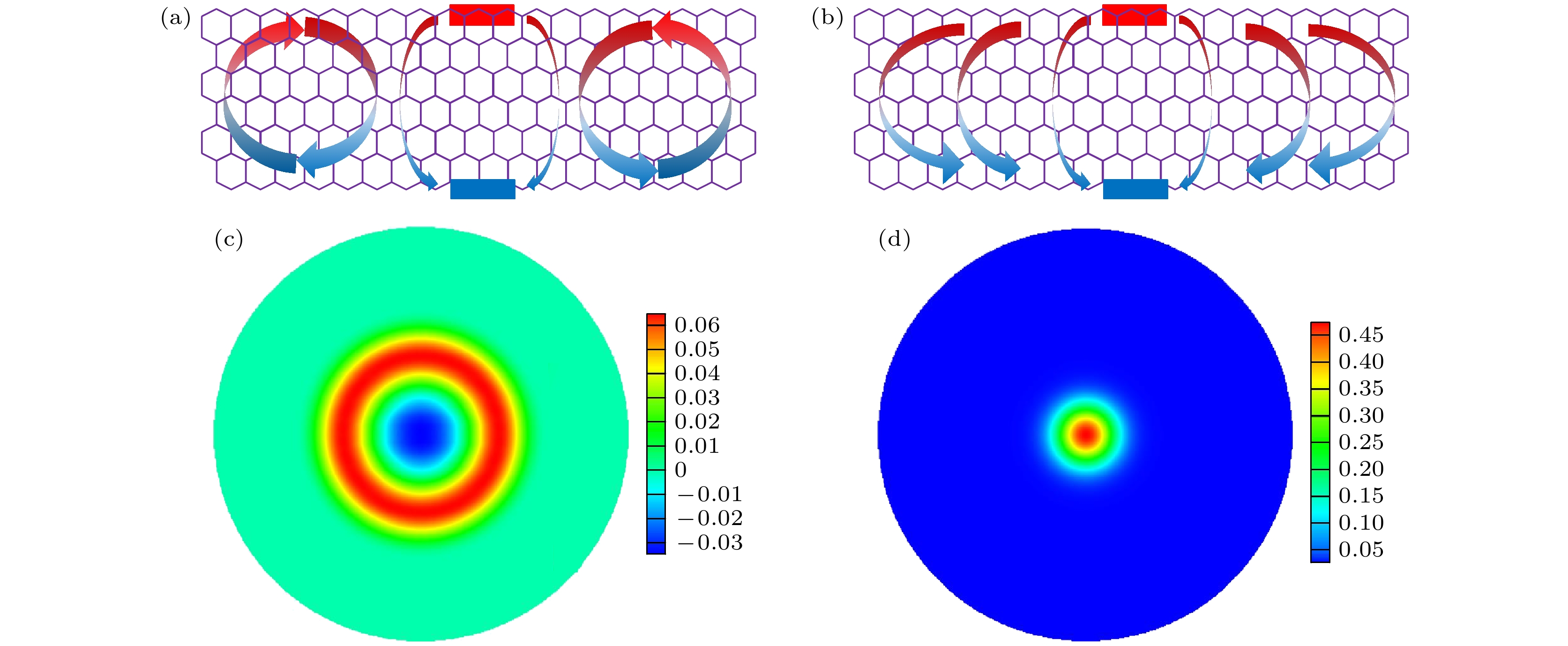
Multiscale particle transport problems are universally existent in the fields of precision manufacturing, nanomaterials, energy and power, national defense and military. Such issues involve large-scale length and time scales, posing great challenges to physical modeling and numerical simulation. In order to study multiscale particle transport problems, cross-scale numerical simulation based on the Boltzmann transport equation has become an effective method. However the nonlinear, multi-scale, and high-dimensional characteristics of the equation pose significant challenges to the stability, compatibility, computational efficiency/accuracy, and asymptotic preserving property of numerical methods. In recent years, many multiscale kinetic methods applicable to any Knudsen numbers have been developed, and one of them is the discrete unified gas kinetic scheme. Unlike the traditional direct numerical interpolation scheme, the discrete unified gas kinetic scheme reconstructs the distribution function at the cell interface through the characteristic solution of the kinetic equation in both time and position space, thereby coupling, accumulating, and calculating particle transport and collision effects on a numerical time step scale. Based on the idea of incorporating the evolution of physical equations into the construction process of numerical methods, the cell size and time step of this method are no longer limited by the mean free path and relaxation time of particles, therefore, the multiscale particle transport problems from the ballistic to diffusive limit can be adaptively and efficiently simulated. A large number of numerical results show that the present scheme has good numerical stability and low numerical dissipation, and it is not limited by the Knudsen number or Mach number. Based on the framework of the finite volume method, this method has been successfully applied to micro/nano scale fluid flow and heat transfer, hypersonic aircraft flows, solid-material thermal conduction, radiation, plasma, and turbulence. This paper mainly reviews the method and discusses its future prospects in the field of multi-scale heat conduction in solid materials, including applications in phonon transport, electron-phonon coupling, phonon hydrodynamic heat conduction, and thermal management of electronic equipment.






 DownLoad:
