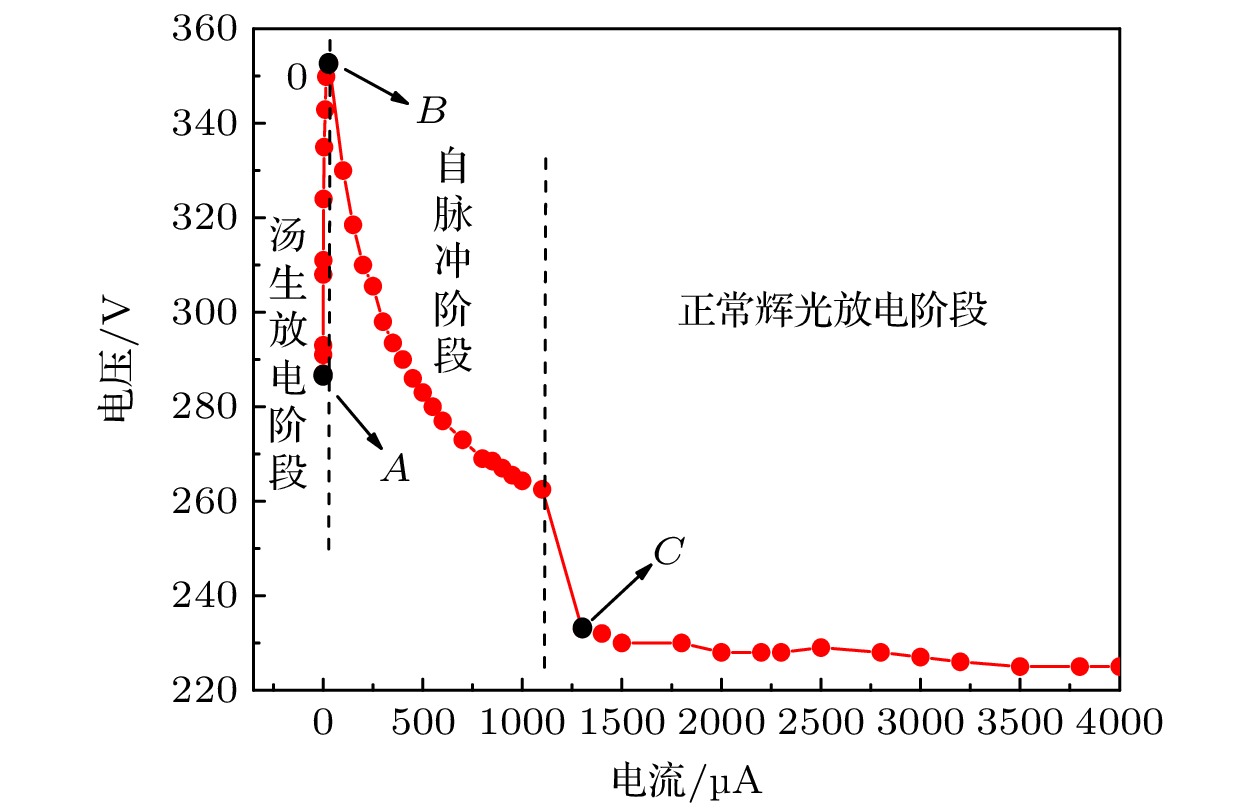
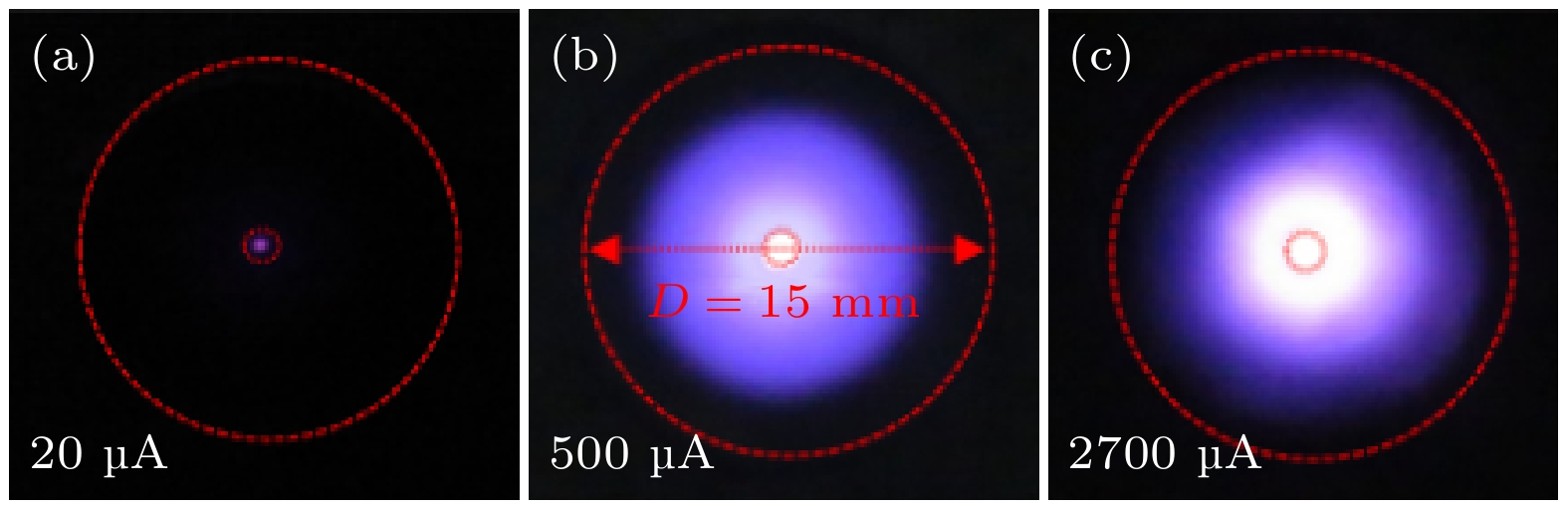
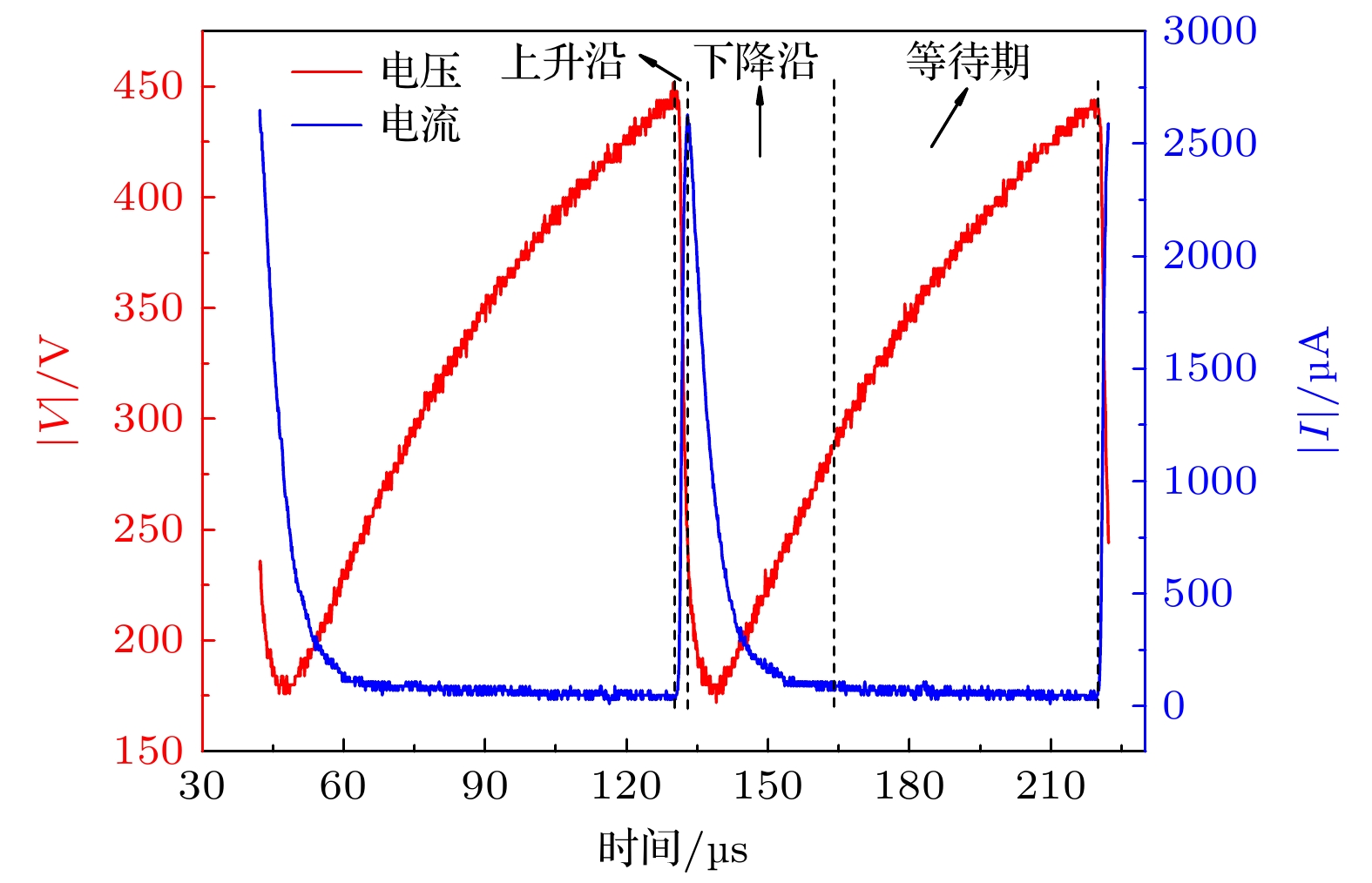
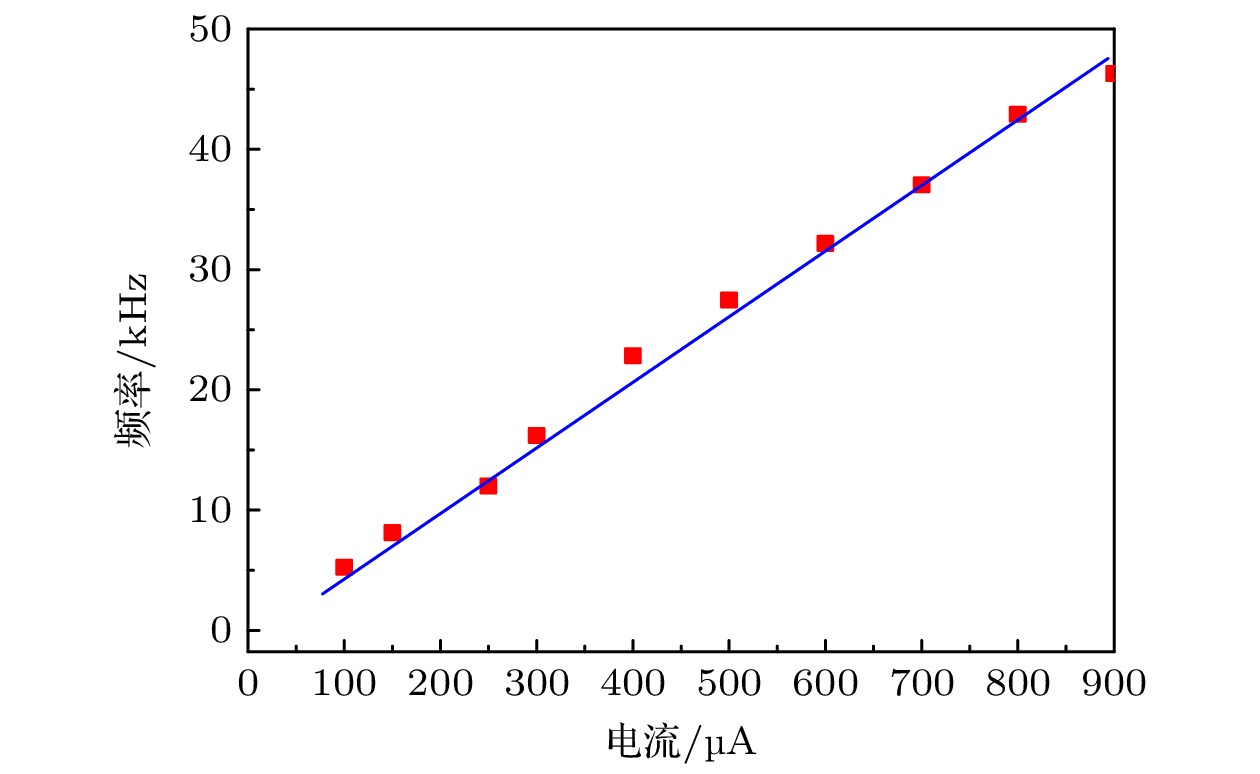
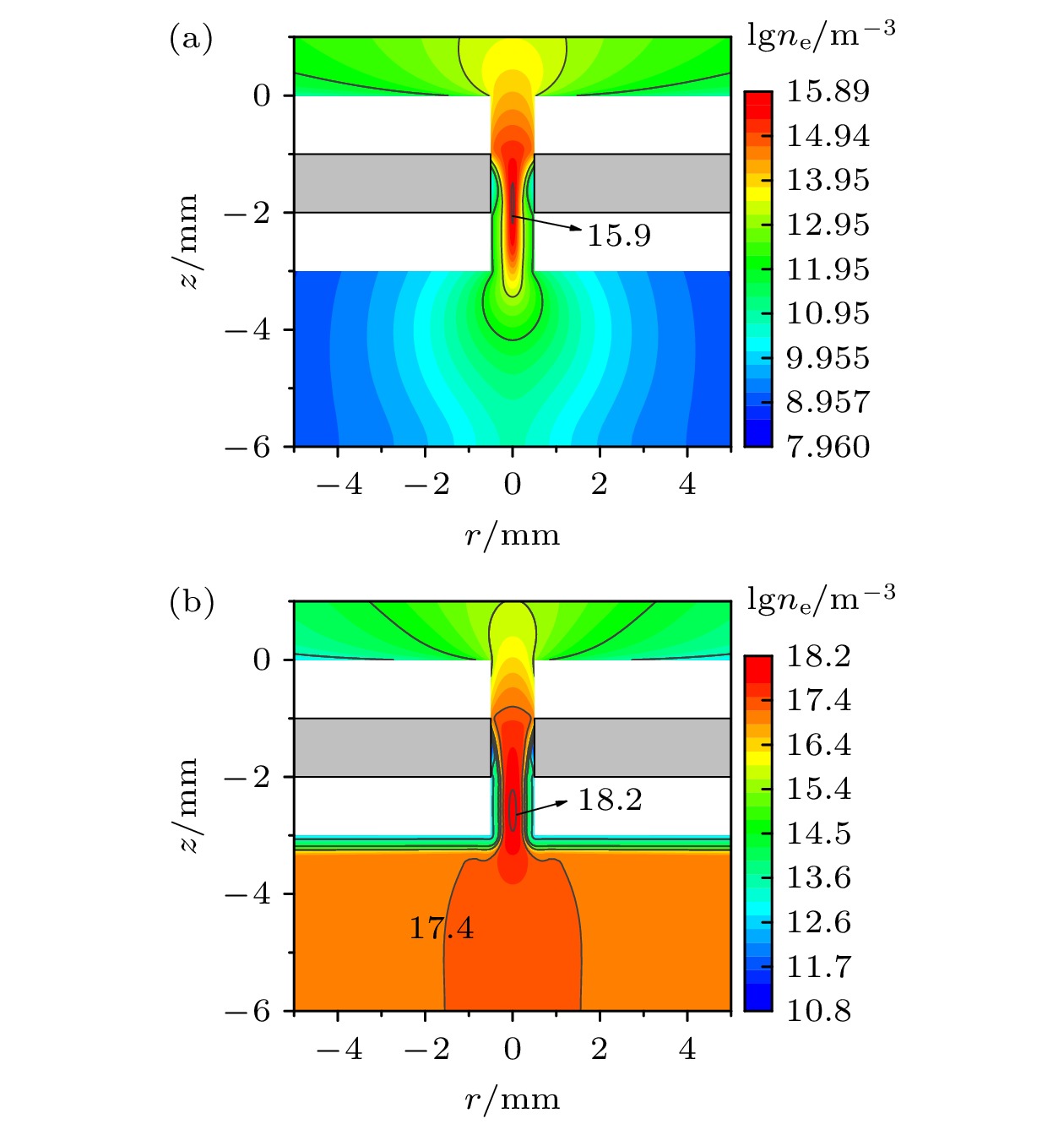
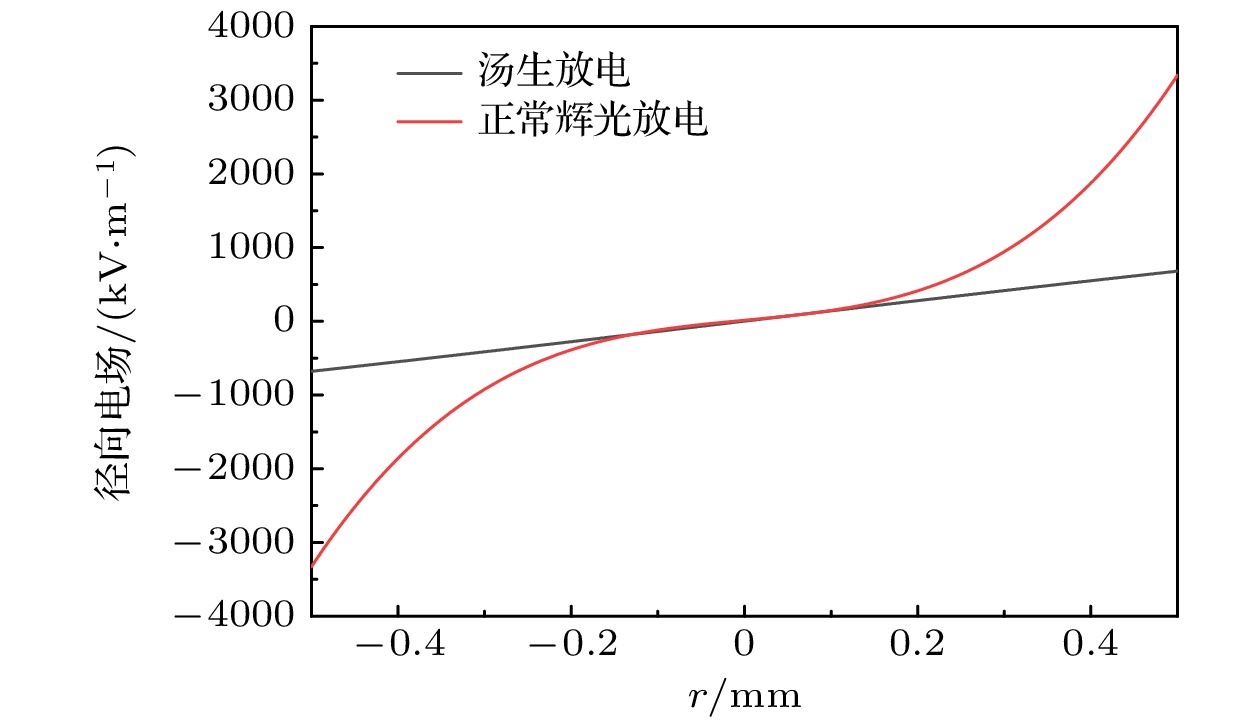
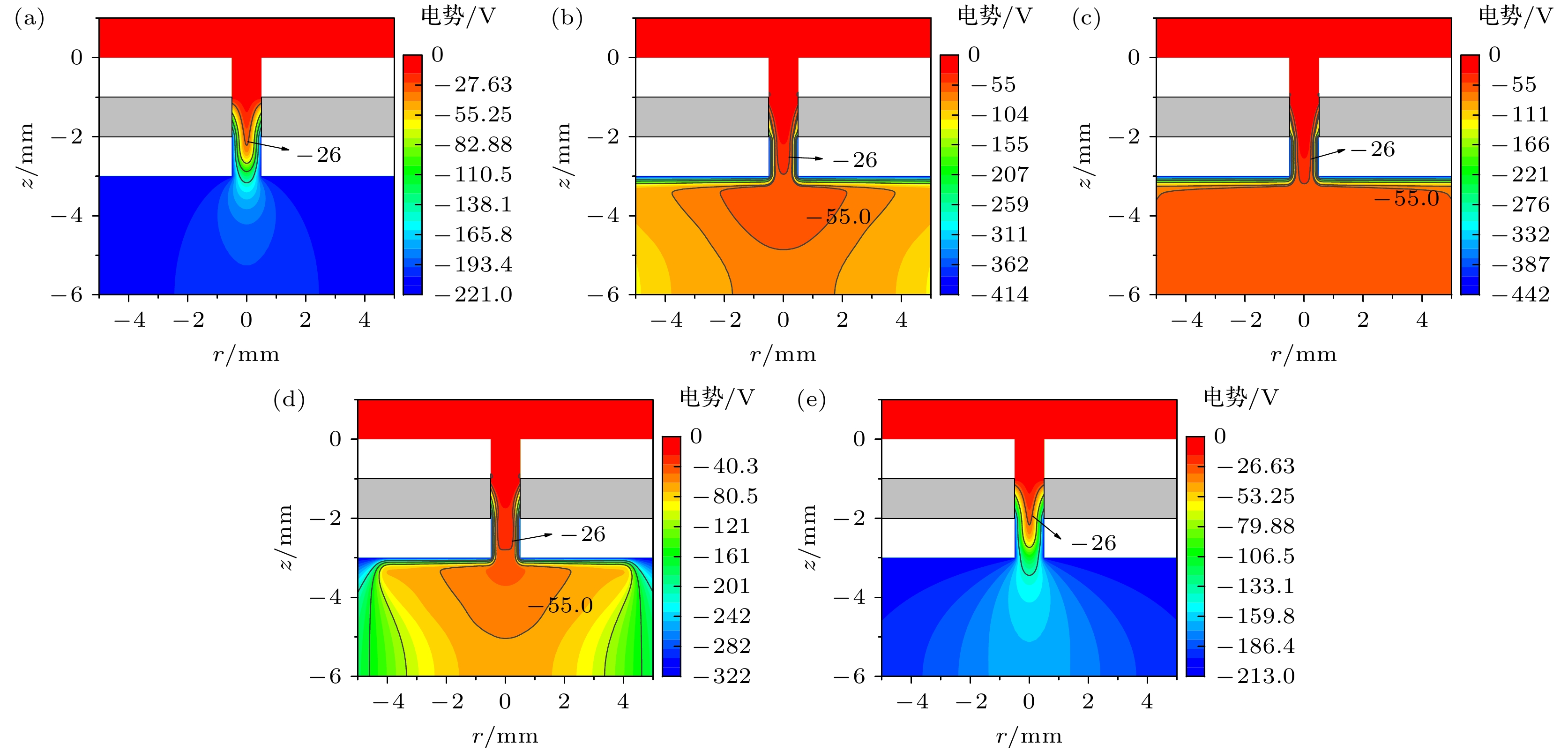
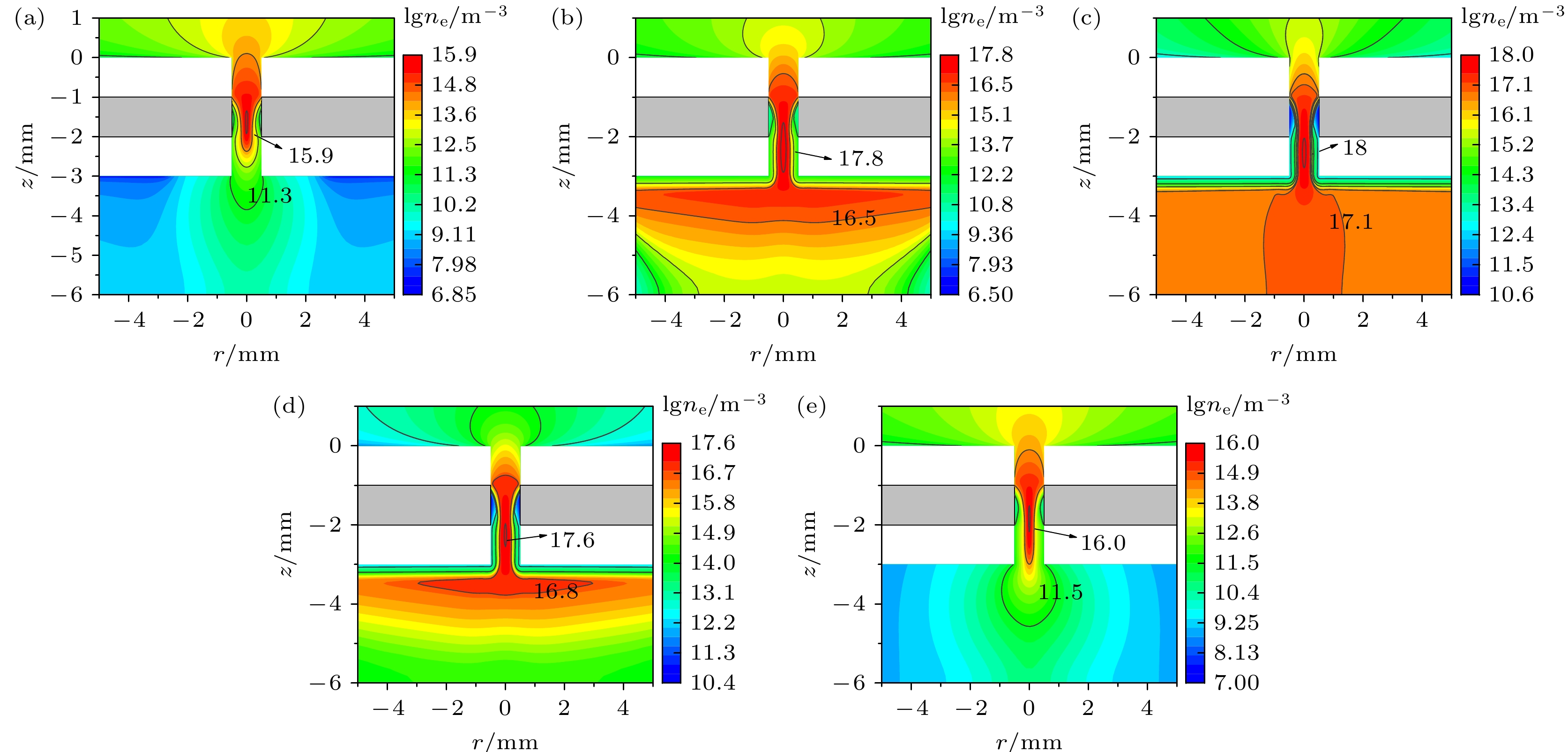
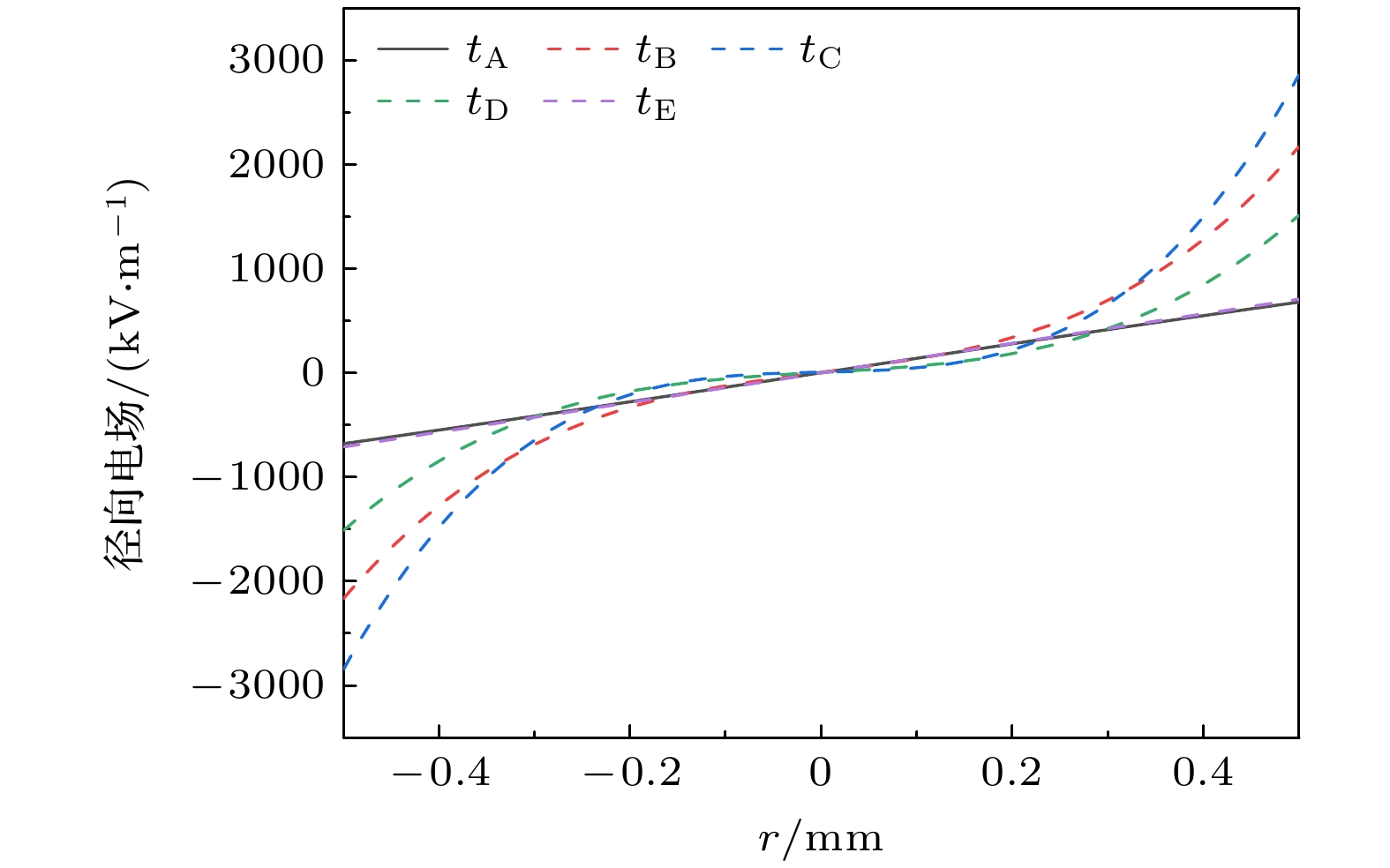
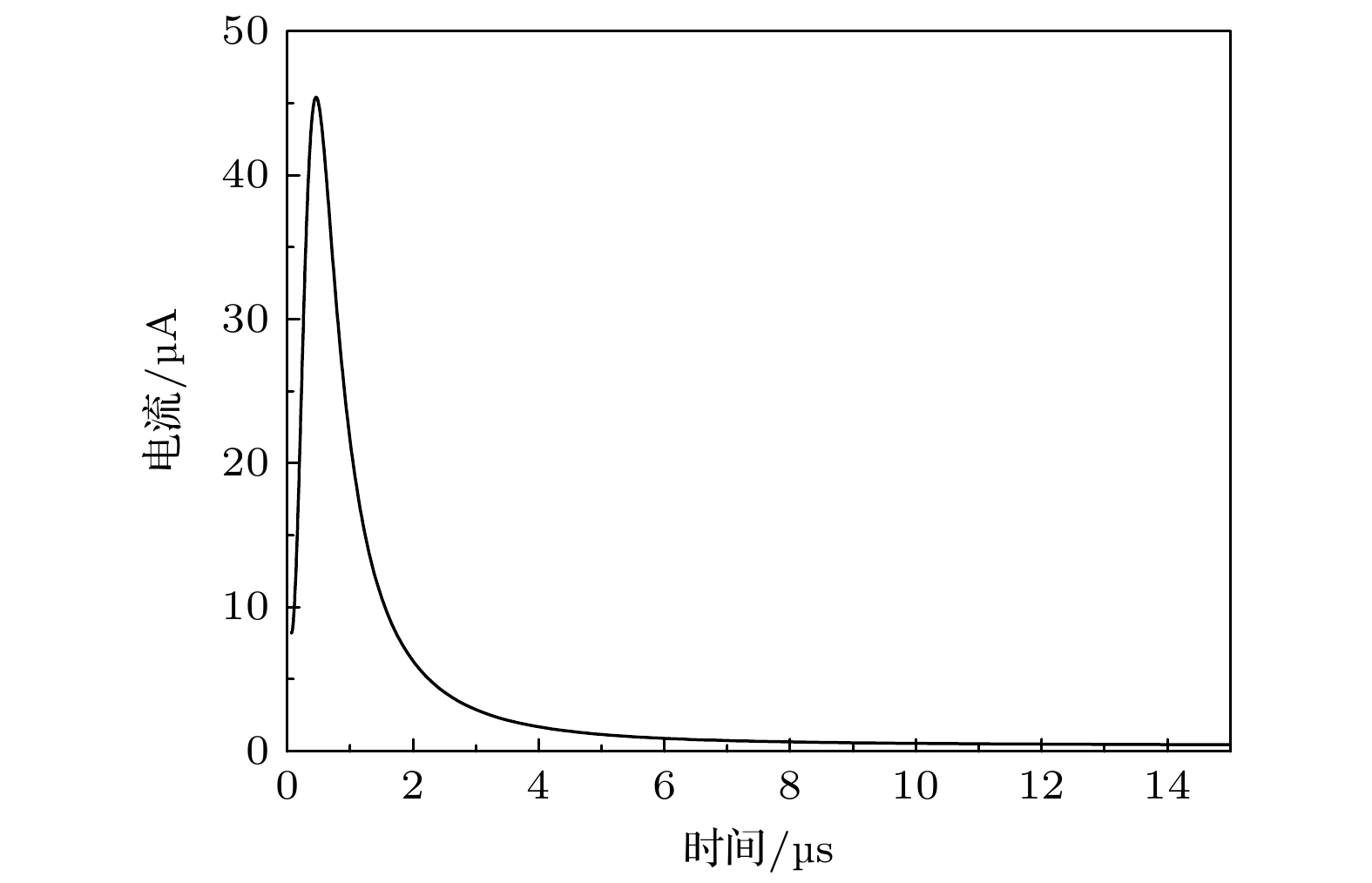
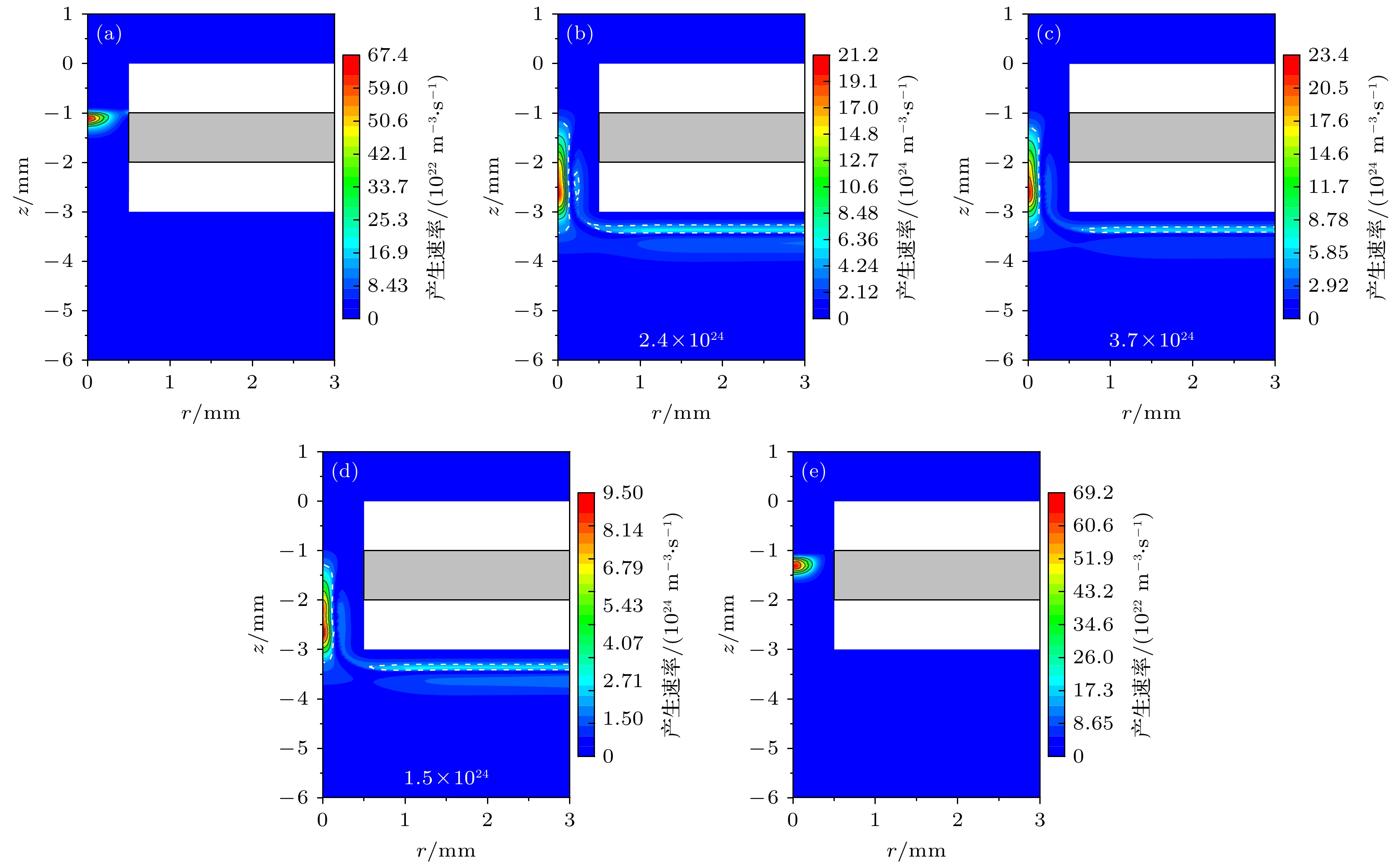
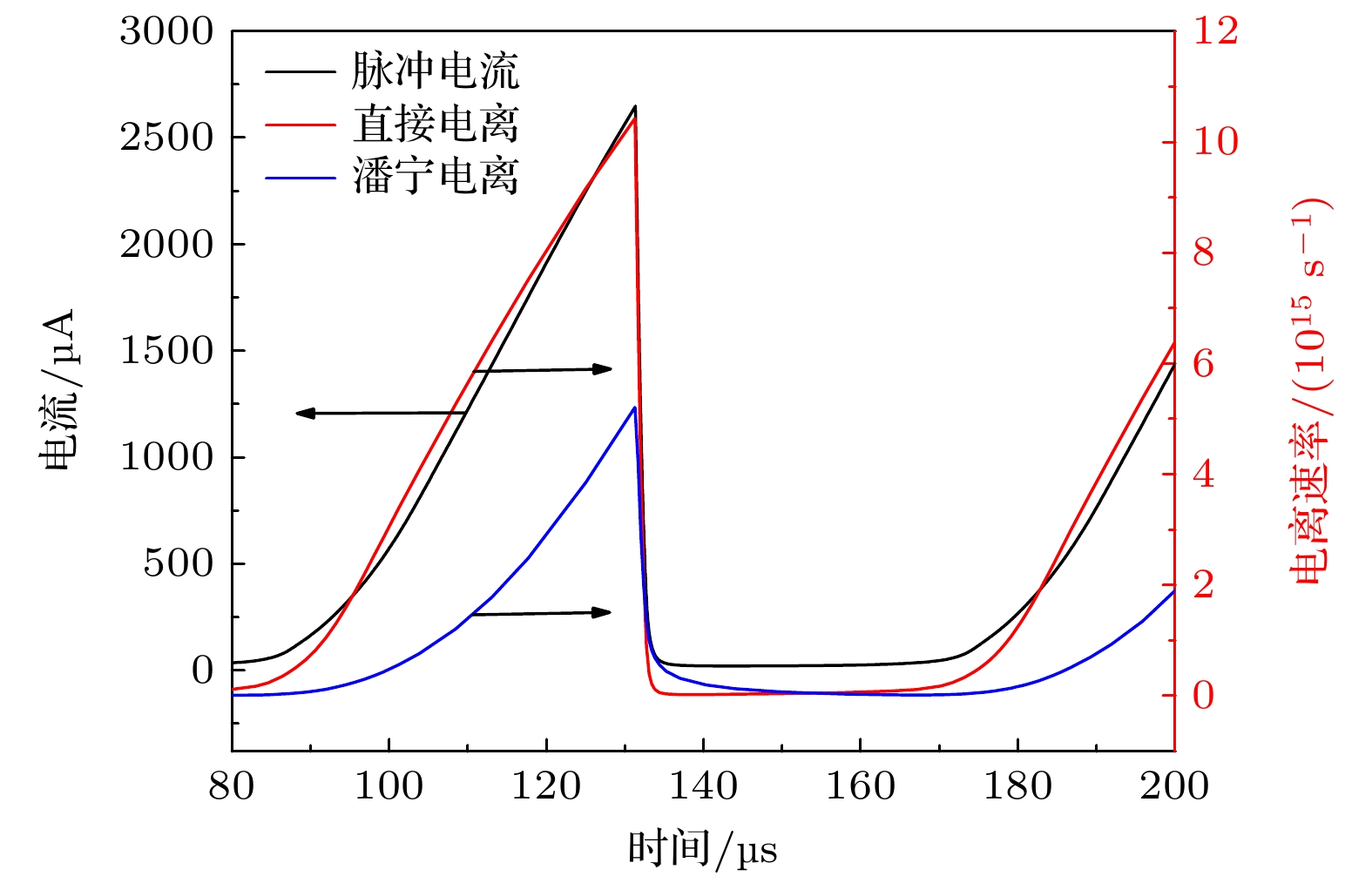
To further explore the mechanism of self-pulsing discharge, a sandwiched microcavity cathode is used to study this phenomenon in argon. With the increases of discharge current, the discharge undergoes Townsend discharge, self-pulsing discharge and normal glow discharge. A complete self-pulsing discharge consists of the rising edge, the falling edge of the discharge current, and the waiting period of the discharge. The spatiotemporal dynamic characteristic of self-pulsing discharge is simulated by using a fluid model. The simulated results indicate that when the self-pulsing discharge current reaches its minimum value, the discharge is confined inside the cathode cavity. The electric field, electron density and electron generate rate are low, resulting in a Townsend discharge mode. As the discharge current increases, the discharge inside the cavity is strengthened, and the discharge gradually extends from the inside of the cavity to the outside. When the current reaches its maximum value, there exists a strong discharge outside the cavity, and an obvious cathode sheath is formed near the outer surface of the cathode, resulting in a high electron generate rate outside the cavity. When the discharge current decreases, the discharge shrinks from the outside to the inside of the cavity, and finally returns to the Townsend discharge mode. The simulated results also indicate that the ionization source varies depending on the stage of self-pulsing discharge, specifically, direct ionization is dominant when the current is high, and Penning ionization plays a major role in the pulse waiting period when the current reaches its minimum value. The experimental and simulation results indicate that the self-pulsing discharge in a micro-cavity cathode is essentially a process of mode transition between the Townsend discharge mode where the discharge is confined within the cavity and the normal glow discharge mode where the discharge region extends to the outside of the hole.






 DownLoad: CSV


 DownLoad:

